Ambaji Temple Visit: A Simple Guide for Devotees and Trips

Weekend in Mount Abu: Complete 2-Day Sightseeing Itinerary
September 11, 2026
Best Tourist Places to Visit Near Abu Road You Must See
September 28, 2026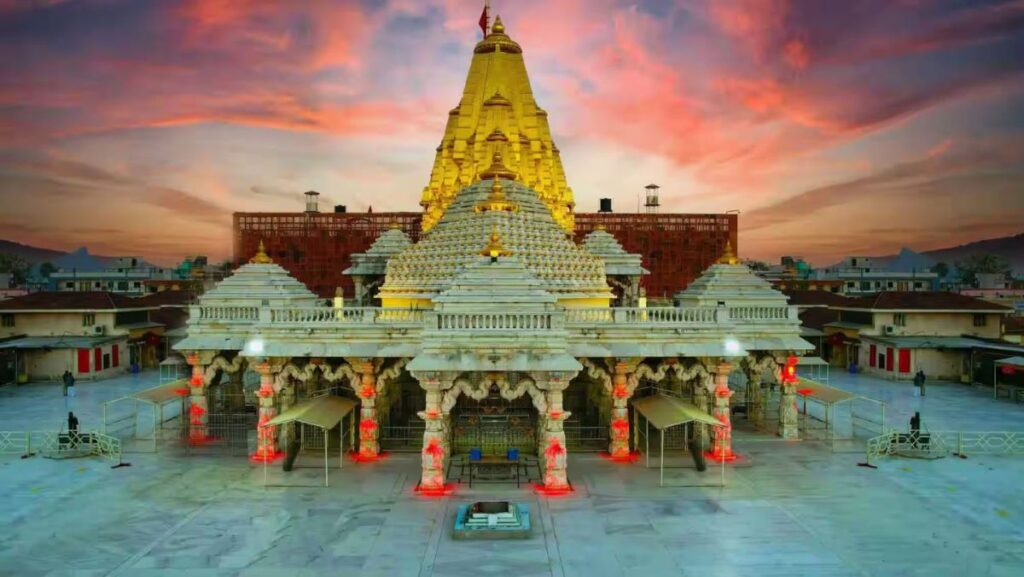
Located amidst the picturesque Aravalli mountain ranges on the border of Gujarat and Rajasthan, the sacred shrine of Ambaji is one of the most prominent pilgrimage destinations in India. Revered as one of the 51 holy Shakti Peethas, this sacred town in the Banaskantha district of Gujarat draws millions of pilgrims and tourists every year. Whether you are arriving on a devout pilgrimage or planning an exploratory vacation across western India, engaging in Ambaji temple sightseeing provides a deeply rewarding spiritual and cultural journey.
To help you organize an enriching journey, this comprehensive guide covers the essential Ambaji temple history, daily darshan schedule, travel tips, and scenic places to see in the Ambaji temple region.
Exploring the Sacred Ambaji Temple History and Legends
Understanding the profound Ambaji temple history adds immense depth to every devotee’s visit. According to Hindu mythology, when Goddess Sati sacrificed herself in the sacrificial fire of Daksha Yajna, Lord Shiva performed the celestial dance of destruction (Tandava) carrying her mortal body. To calm Shiva and restore cosmic balance, Lord Vishnu released his Sudarshana Chakra, dividing Sati’s body into 51 divine fragments. It is widely believed that Sati’s heart (Hridaya) fell atop the nearby Gabbar Hill, establishing this sacred territory as an original Shakti Peetha.
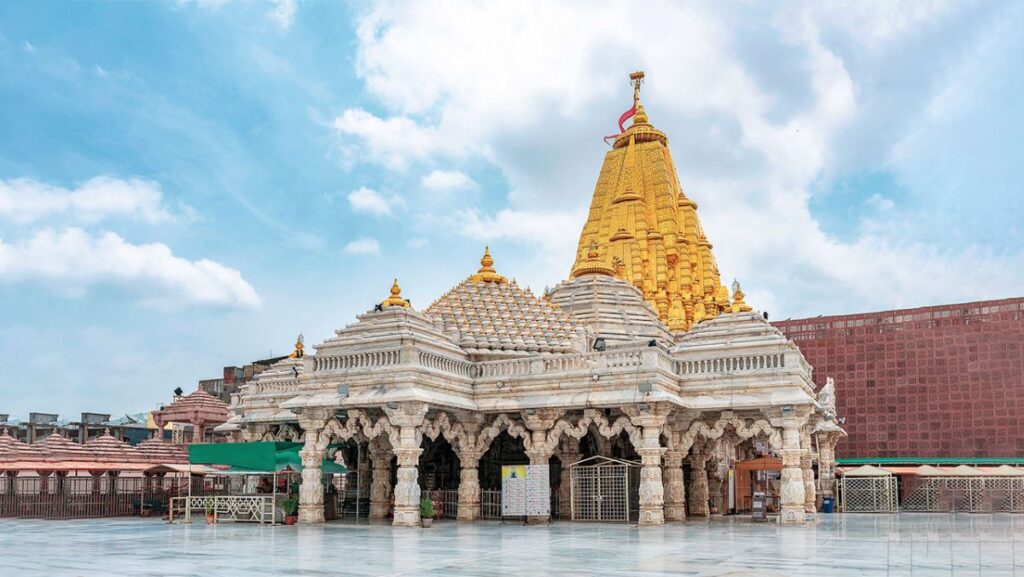
Another fascinating chapter of Ambaji temple history narrates the tale of the King of Danta. The ruler, an ardent devotee of Amba Mata, regularly climbed Gabbar Hill to offer his prayers. Moved by his devotion and physical exhaustion, the goddess granted his wish to relocate closer to the town on one strict condition: the king was to lead the way down without glancing back. As he walked, the chiming resonance of Her anklets assured him of Her presence. However, when the melodic sound momentarily ceased near the plains, the anxious king turned around. Faithful to Her vow, the Goddess stopped at that exact spot, which today marks the grand main shrine of Shri Arasuri Ambaji Mata Temple.
An extraordinary feature distinguishing the central shrine from most temples in India is the absence of a conventional stone or marble idol. Instead, devotees worship the sacred Shri Visa Yantra, an intricately inscribed geometric copper plate veiled in ornate garments and golden ornaments. This mystic tradition forms an essential pillar of Ambaji temple history, embodying formless divine maternal energy.
Read More – Mount Abu itinerary for 2 days
Daily Ambaji Temple Timing and Darshan Schedule
When organizing your pilgrimage itinerary, being mindful of the official Ambaji temple timing is crucial. The daily rituals, aartis, and darshan sessions operate across designated morning, afternoon, and evening slots to accommodate thousands of devotees comfortably.
| Session | Ritual / Event | Operating Schedule |
| Morning | Mangala Aarti | 07:30 AM – 08:00 AM |
| Morning | Morning, Darshan. | 08:00 AM – 11:30 AM |
| Afternoon | Rajbhog & Afternoon Darshan | 12:30 PM – 04:30 PM |
| Evening | Sandhya Aarti | 07:00 PM – 07:30 PM |
| Evening | Night Darshan | 07:30 PM – 09:00 PM |
Note: The Ambaji temple timing may undergo slight adjustments during major festivals like Navratri, Bhadarvi Poonam, and Diwali to manage the massive influx of pilgrims. It is always wise to double-check the current Ambaji temple timing before arriving for early morning or evening aartis.
Top Attractions and Places to See Ambaji Temple Complex
Pilgrims arriving here will find that comprehensive Ambaji temple sightseeing goes far beyond the primary inner sanctum. The town and its immediate perimeter feature several revered spots:
- Shri Arasuri Ambaji Mata Mandir: The central white marble masterpiece adorned with a magnificent gold-plated spire (Kalash). The courtyards and intricate ceiling carvings reflect brilliant ancient craftsmanship.
- Mansarovar Kund: Situated directly behind the main shrine, this holy water reservoir was built in the 16th century. According to local lore, holy water from Lake Mansarovar in Tibet was channeled here for weary pilgrims. Devotees often take a holy dip and perform ancestral rituals along its carved stone steps.
- Mangalya Van: Located on a tranquil hilltop near Kailash Tekri, this unique astrological garden features designated sections corresponding to the zodiac signs (Rashi) and planetary constellations (Navgraha). It serves as a soothing retreat during your afternoon Ambaji temple sightseeing rounds.
- Kamakshi Devi Temple: Situated roughly one kilometer from the main complex, this serene shrine displays distinct South Indian gopuram architecture. Inside, it houses replicas of all 51 sacred Shakti Peethas across the subcontinent, making it one of the most culturally enriching places to see Ambaji temple visitors should not overlook.
Beautiful and Sacred Place to Visit Near Ambaji Temple
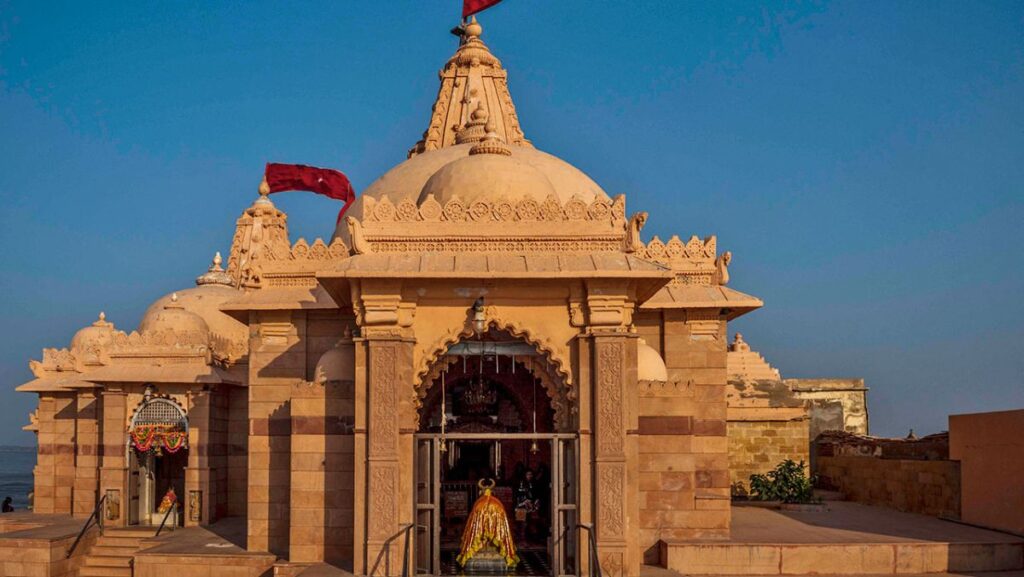
To experience a complete spiritual journey, you should set aside adequate time to tour each notable place to visit near Ambaji temple. The surrounding foothills of Banaskantha boast immense natural charm and religious heritage.
1. Gabbar Hill
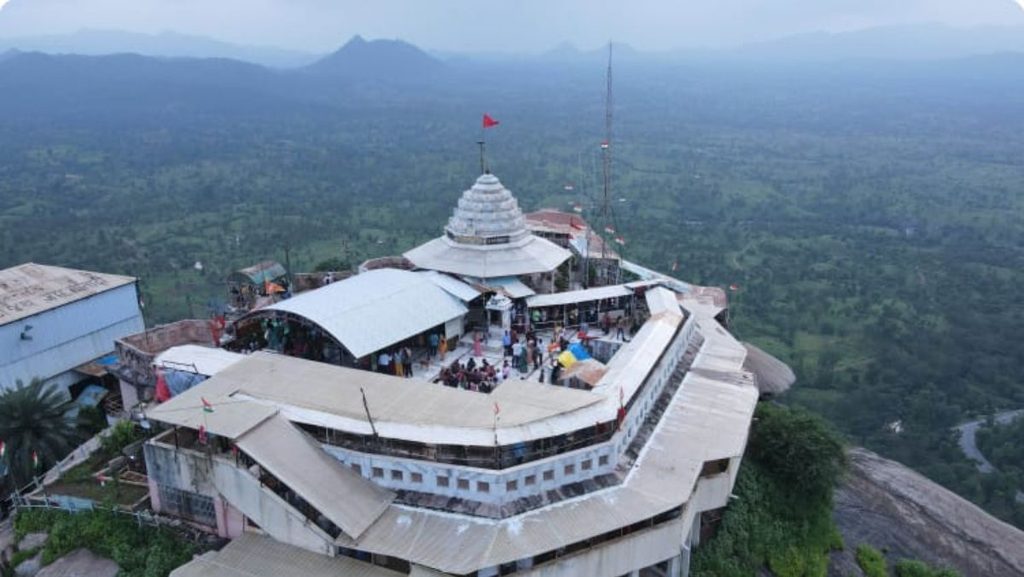
Perched roughly 4.5 kilometers from the town, Gabbar Hill is revered as the original seat of the Goddess. Devotees can either ascend the 999 stone steps or take a swift, scenic ropeway cable car to the summit. At the top, an eternal flame burns perpetually alongside impressions of the goddess’s footprints. It remains the most essential place to visit near Ambaji temple for any devout pilgrim.
2. Kumbhariya Jain Temples
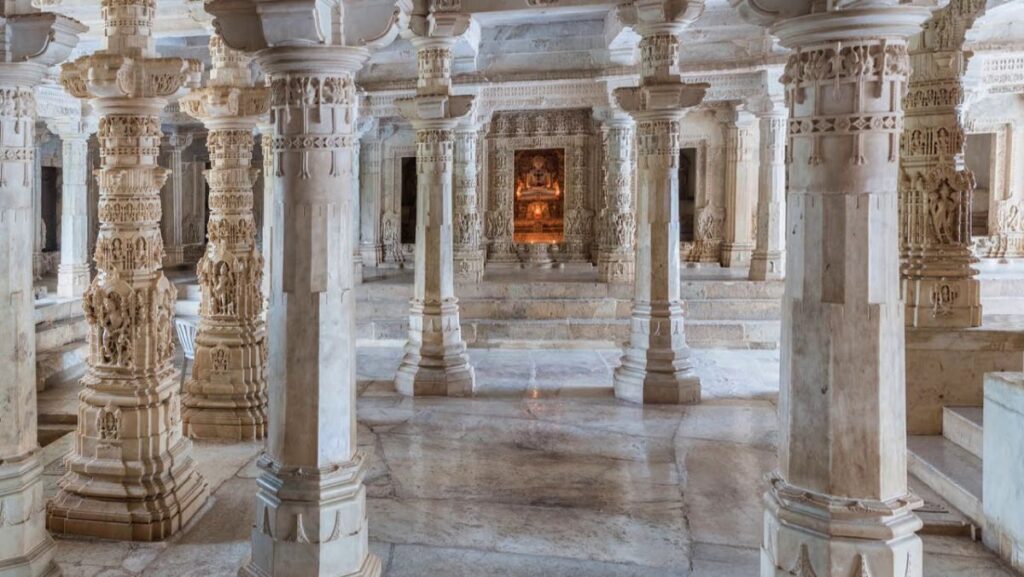
Dating back between the 10th and 13th centuries, this quiet complex of five marble Jain shrines—dedicated to Tirthankaras like Neminatha, Mahavira, and Parshvanatha—features ornate ceilings and pillar carvings comparable to the famous Dilwara Temples. For admirers of heritage architecture, it is an unmissable place to visit near Ambaji temple.
3. Kailash Tekri and Mahadev Temple
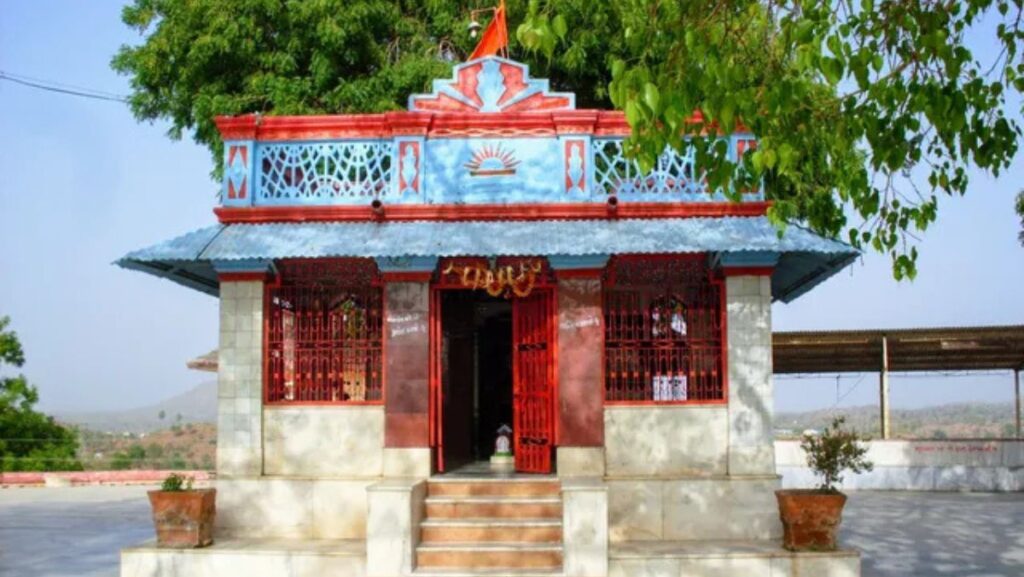
Offering breathtaking sunset views of the rugged mountain backdrop, Kailash Tekri is a peaceful hilltop sanctuary dedicated to Lord Shiva. It offers an ideal environment for quiet meditation and panoramic photography.
4. Shree Koteshwar Mahadev Temple
Located approximately 8 kilometers from the main town, this ancient temple is revered as the mythological origin place of the holy Saraswati River. Surrounded by lush natural springs and serene valleys, it is an extraordinarily tranquil place to visit near Ambaji temple.
Best Time to Visit Ambaji Temple for a Memorable Trip
Selecting the best time to visit Ambaji Temple depends on whether you prefer comfortable sightseeing weather or vibrant festival fervor.
- Winter Season (October to March): This is widely considered the overall best time to visit Ambaji temple. The weather in the Aravalli hills remains pleasant and cool, with daytime temperatures ranging from 15°C to 28°C. This period is ideal for climbing Gabbar Hill and enjoying outdoor Ambaji temple sightseeing without enduring intense desert heat.
- Monsoon Season (July to September): The rain transforms the surrounding hilly terrain into a vibrant green landscape. The annual Bhadarvi Poonam Fair, held during August or September, attracts hundreds of thousands of walking pilgrims (padayatris) from across Gujarat and Rajasthan. If you wish to witness unmatched devotion, this is the best time to visit Ambaji temple, though advance booking is vital due to heavy crowds.
- Summer Season (April to June): Summers can be scorching, with afternoon temperatures frequently crossing 40°C. If you visit during these months, plan your visits to align with the early morning or post-sunset Ambaji temple timing.
How to Reach and Essential Travel Tips
Reaching Ambaji is straightforward thanks to extensive road and rail connectivity across Gujarat and neighboring Rajasthan:
- By Air: The nearest domestic and international terminal is Sardar Vallabhbhai Patel International Airport in Ahmedabad, located about 180 km away. Private taxis and state transport buses run regularly from Ahmedabad to Ambaji.
- By Train: The closest railway hub is Abu Road Railway Station, situated just 22 km from the shrine. Taxis, shared jeeps, and regular public buses connect the railway station to Ambaji town within 35 to 45 minutes. For travelers seeking a comfortable, scenic stay near the station before heading out, Achal Bagh is the best resort in Abu Road to relax and unwind amidst nature.
- By Road: Excellent highway networks connect Ambaji to major hubs like Palanpur (65 km), Mount Abu (45 km), and Udaipur (160 km).
Helpful Pilgrimage Tips
- Dress Modestly: Maintain respectful attire when entering shrines and heritage structures.
- Photography Restrictions: Photography, videography, and mobile phone usage are prohibited inside the inner sanctum of Shri Arasuri Ambaji Temple. Locker facilities are available outside the main gate.
- Plan Around Aarties: Arrive at least 30 to 45 minutes before the scheduled morning or evening Ambaji temple timing to secure a good darshan position.
- Combine with Regional Highlights: Because Mount Abu is less than an hour’s drive away, many travelers combine their visit with sightseeing across Rajasthan’s only hill station.
From its timeless mythological roots to its peaceful mountain horizons, visiting Ambaji offers a soulful retreat. Keeping this practical guide handy ensures a well-paced, meaningful journey filled with divine blessings and memorable sights.